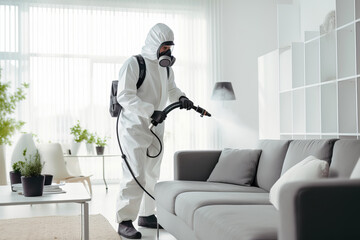
Imagine settling into your home after a long day only to discover ants in the kitchen, spiders in the corners, or signs of rodents in the garage. Pest problems often seem to appear unexpectedly, but in many cases, infestations develop gradually as pests find access to food, water, and shelter. Once they become established, eliminating them can require significant time, effort, and expense. This is why pest prevention is one of the most important aspects of maintaining a healthy and comfortable property.
Rather than waiting for pests to become a problem, preventive measures focus on making a property less attractive to unwanted invaders. Effective pest prevention not only reduces the likelihood of infestations but also helps protect property, improve sanitation, and create a more enjoyable living environment. Understanding the key principles of pest prevention can help homeowners stay ahead of potential problems and maintain long-term protection year-round. Contact your local Port St Lucie Pest Control company for more information.
Why Pest Prevention Is More Effective Than Pest Removal
Many people think about pest control only after spotting insects or rodents. However, by the time pests become visible, they may have already established nests, breeding areas, or colonies within the property. Removing an existing infestation is often more difficult and costly than preventing one from developing in the first place.
Pest prevention focuses on eliminating the conditions that attract pests. Instead of reacting to a problem, property owners take proactive steps to reduce access to food, water, and shelter. This approach helps stop infestations before they begin.
Preventive pest management also supports long-term property protection. Certain pests can damage wood, insulation, electrical wiring, furniture, and stored belongings. By preventing pest activity, homeowners reduce the risk of costly repairs and structural issues.
Another benefit of prevention is improved health and sanitation. Many pests can contaminate food, spread bacteria, and negatively affect indoor air quality. Maintaining a pest-free environment contributes to a cleaner and healthier home for everyone.
Understanding What Attracts Pests
To effectively prevent pests, it is important to understand why they enter homes in the first place. Most pests are motivated by three basic needs: food, water, and shelter.
Food is one of the strongest attractants. Crumbs on floors, unsealed food containers, pet food left out overnight, and overflowing trash bins can all provide easy meals for pests. Even small amounts of food residue may attract insects and rodents.
Water is equally important. Leaking pipes, dripping faucets, clogged drains, and areas with excessive moisture create ideal conditions for many pests. Some insects can survive for extended periods with minimal food as long as a reliable water source is available.
Shelter provides protection from weather and predators. Cluttered storage areas, piles of cardboard, overgrown vegetation, and hidden spaces inside walls or attics offer ideal nesting locations. Once pests find a safe place to live, they may begin reproducing rapidly.
By addressing these three essential needs, property owners can significantly reduce the likelihood of pest infestations.
Keeping Your Home Clean and Organized
Cleanliness is one of the most effective pest prevention strategies. A clean home offers fewer opportunities for pests to find food and shelter.
Regularly cleaning kitchen surfaces helps eliminate crumbs, grease, and food particles that attract insects. Sweeping and vacuuming floors can remove hidden food sources that might otherwise support pest activity.
Food storage also plays a major role in prevention. Dry goods, cereals, snacks, and pet food should be stored in tightly sealed containers. Proper storage reduces odors and prevents pests from accessing potential food supplies.
Trash should be removed regularly and placed in containers with secure lids. Garbage can quickly become a food source for insects and rodents if not managed properly.
Organization is equally important. Clutter creates hiding places where pests can remain unnoticed. Keeping storage areas neat and minimizing unnecessary items can make it easier to detect and address pest problems before they become serious.
A clean and organized environment naturally discourages many common household pests.
Eliminating Moisture Problems
Moisture control is another critical component of pest prevention. Many pests thrive in damp environments and are drawn to areas where water is readily available.
Inspecting plumbing systems for leaks can help prevent moisture accumulation. Even small drips can create conditions that attract pests over time. Prompt repairs reduce water availability and help protect building materials from damage.
Bathrooms, kitchens, basements, and laundry rooms often experience higher humidity levels. Proper ventilation can help reduce excess moisture and improve overall indoor conditions.
Outdoor drainage should also be monitored carefully. Standing water around a property’s foundation can attract various pests and may eventually contribute to structural concerns. Ensuring that water flows away from the structure helps minimize these risks.
Gutters and downspouts should be kept clear to prevent water from collecting near the home. Routine maintenance of drainage systems supports both pest prevention and property protection.
Reducing moisture not only discourages pests but also helps create a healthier living environment overall.
Sealing Entry Points Around the Property
Even the cleanest home can experience pest problems if pests are able to enter easily. Identifying and sealing potential entry points is an essential part of any pest prevention plan.
Small cracks in foundations, gaps around windows and doors, and openings near utility lines can provide access for pests. Many insects and rodents can enter through surprisingly small spaces.
Weather stripping and door sweeps help close gaps that may otherwise allow pests to enter. Damaged screens should be repaired or replaced to prevent flying insects from gaining access.
Exterior inspections can reveal areas where repairs are needed. Addressing these vulnerabilities promptly helps create a stronger barrier against pest intrusion.
Attics, crawl spaces, and garages should also be inspected regularly. These areas often contain hidden openings that may go unnoticed without routine evaluations.
The goal is to make it as difficult as possible for pests to find a way inside.
Maintaining a Pest-Resistant Yard
The condition of a property’s outdoor environment can significantly influence indoor pest activity. Many infestations begin outside before pests eventually move indoors.
Keeping grass trimmed and maintaining landscaping can reduce shelter opportunities for insects and rodents. Overgrown vegetation often provides ideal hiding places and travel routes.
Trees and shrubs should be pruned to prevent direct contact with the structure. Branches touching the home can create convenient pathways for pests seeking entry.
Yard debris such as leaves, branches, and wood piles should be removed or stored properly. These materials can serve as nesting sites for various pests.
Standing water should be eliminated whenever possible. Containers, birdbaths, and low areas in the yard should be monitored regularly to prevent water accumulation.
A well-maintained landscape not only improves curb appeal but also supports a comprehensive pest prevention strategy.
The Importance of Regular Inspections
Routine inspections are one of the most valuable tools in pest prevention. Early detection allows property owners to address minor issues before they develop into larger infestations.
Both interior and exterior areas should be examined periodically for signs of pest activity. Droppings, nests, gnaw marks, damaged materials, and unusual odors may indicate the presence of pests.
Inspections also help identify environmental conditions that attract pests. Moisture problems, structural damage, and sanitation concerns can be corrected before they lead to infestations.
Seasonal inspections are particularly useful because pest activity often changes throughout the year. Different pests become active during different seasons, making ongoing monitoring essential.
Consistent inspections support a proactive approach that focuses on prevention rather than reaction.
Why Professional Pest Prevention Services Can Help
While many preventive measures can be handled by homeowners, professional pest prevention services offer additional expertise and support. Experienced professionals understand pest behavior and can identify vulnerabilities that may otherwise be overlooked.
Comprehensive inspections can reveal hidden entry points, moisture issues, and environmental conditions that contribute to pest activity. Addressing these factors helps strengthen overall protection.
Professional prevention programs often include routine monitoring and customized recommendations tailored to the property’s specific needs. This ongoing support helps ensure that preventive measures remain effective throughout the year.
Rather than waiting for infestations to occur, professional pest prevention focuses on maintaining conditions that discourage pest activity from the start.
Combining professional guidance with regular home maintenance often produces the most reliable long-term results.
Final Thoughts
Pest prevention is one of the most effective ways to protect a home from unwanted insects, rodents, and other nuisance pests. By focusing on cleanliness, moisture control, structural maintenance, and routine inspections, homeowners can create an environment that is far less attractive to pests.
Preventive measures not only reduce the risk of infestations but also help protect property, improve sanitation, and support a healthier living environment. The key to successful pest prevention is consistency. Small maintenance efforts performed regularly can make a significant difference over time. By taking a proactive approach, property owners can enjoy greater peace of mind and maintain a cleaner, safer, and more comfortable home throughout the year.
